
Nasa(LAR Tops-229) – Let’s Fly Into The Future Together!

My Role

  • Project Manager/SCRUM
  • User Researcher
  • Business Developer
  • Market Strategist
  • Presentor

Deliverables

  • Use Case Validation
  • Marketing and Commercialization

Our Team

  • Project Manager
  • SCRUM Master
  • Developer
  • Developer

Program Overview

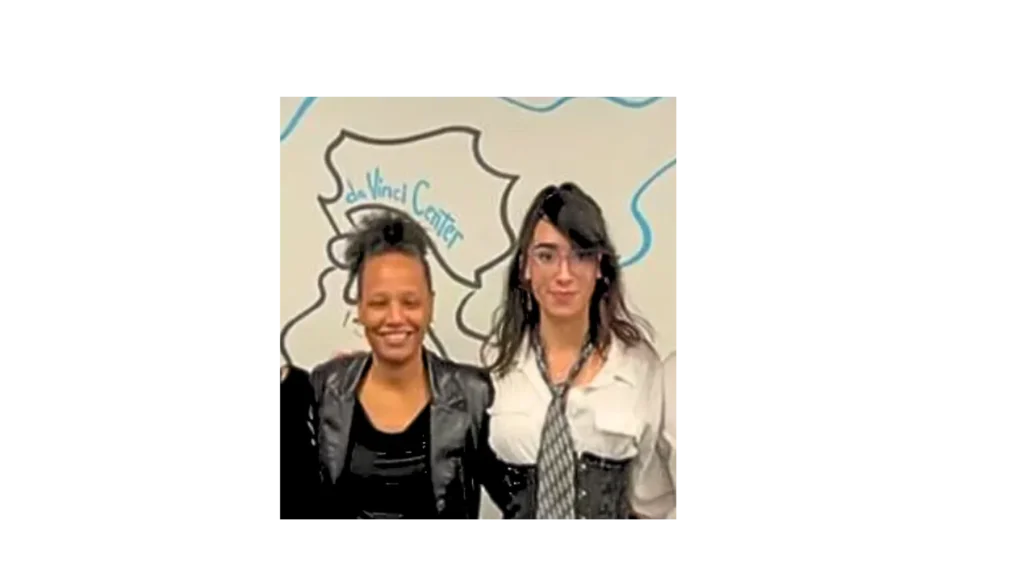
VCU’s Da Vinci Center bridges students with real-world projects that emphasize interdisciplinary innovation. Through this program, our team collaborated with NASA to explore commercialization opportunities for its patents.

Project Overview

In partnership with NASA, our objective was to identify innovative pathways to enhance the commercialization of LiDAR technology (Patent: LAR TOPS-229). By analyzing use cases and market potential, we identified key challenges and proposed strategic recommendations.

What is LiDAR?

LiDAR (Light Detection and Ranging) is a remote sensing method that uses light in the form of a pulsed laser to measure distances to a target. It generates precise, three-dimensional information about objects and their surroundings, enabling advanced applications in autonomous vehicles, environmental monitoring, urban planning, and infrastructure management.

Project Deliverables & Needs

NASA tasked our team with two critical deliverables: use case validation and the development of a marketing and commercialization strategy. The goal was to evaluate potential applications for NASA’s LiDAR patent (LAR TOPS-229) in emerging markets, focusing on its financial and technological feasibility. Additionally, we were asked to create a pathway for licensing NASA’s patent specifically to startups, as outlined in the project brief. This focus on startups represented a key limitation due to their constrained financial resources.


Users & Market Potential

The primary users of our research were SBIR-funded startups, NASA’s technology transfer officers, and potential external partners. The potential lay in identifying a specific, viable use case for commercializing NASA’s LiDAR technology. By focusing on startups, NASA aimed to leverage its patents to catalyze innovation and growth in emerging markets, despite the inherent challenges of limited funding and scalability.

Our research revealed that the Total Addressable Market (TAM) for global air traffic mobility is projected to reach $25.5 billion by 2030, with the Serviceable Addressable Market (SAM) in North America estimated at $18.99 billion. Within this segment, the Serviceable Obtainable Market (SOM) for drone-specific applications accounts for 1-5% of the SAM. These figures highlight both the immense opportunity and the niche challenges of commercializing LiDAR for startups, emphasizing the need for targeted strategies and economies of scale.

My Role

As Project Manager, I defined and refined the project’s strategic objectives while coordinating workflows and ensuring clear communication among team members. I implemented Agile methodologies as Scrum Master to manage iterative progress and adapt to shifting project demands. I spearheaded primary and secondary research efforts, conducting interviews with venture capitalists, software engineers, and NASA licensing officers to gain actionable insights. I developed the San Francisco case study from scratch, validating the financial feasibility of LiDAR commercialization, and conducted financial modeling to identify barriers to entry for startups. Additionally, I synthesized findings into a comprehensive pitch and delivered the final presentation to NASA executives, earning high praise for the actionable recommendations provided.

 

Project Timeline & Key Milestones

Month 1: Initial Exploration & Roadblocks

We began by evaluating four potential use cases for the LiDAR technology: wildfire detection, airborne hazard detection, windmill feathering, and autonomous vehicles. Each of these use cases was analyzed for financial and technical viability, but none were found to be practical given the constraints of the technology and market conditions. Toward the end of the month, we found ourselves at a crossroads, uncertain of the project’s direction. This prompted a return to the drawing board, where we explored alternative markets and began to pivot our focus.

Month 2: Market Focus & Financial Validation

We identified drones as a promising market for LiDAR applications and dove straight into market and user research. This phase involved interviewing venture capitalists, software engineers, and NASA licensing officers, who consistently expressed doubts about investing in the proposed LiDAR solutions. Despite this feedback, we proceeded to create a detailed use case for deploying LiDAR in San Francisco. Financial validation revealed that commercialization would be nearly impossible for startups, as the required investment far exceeded the typical funding available to them. These insights solidified our understanding of the challenges startups face in scaling advanced technologies like LiDAR.

Month 3: Final Analysis & Strategic Recommendations

Month 3 was dedicated to synthesizing all our research findings into a comprehensive report for NASA. We compiled data, refined our analyses, and created a detailed book outlining the financial, technical, and market challenges associated with LiDAR commercialization. Recognizing broader inefficiencies in the patent commercialization process, we pivoted to recommending the establishment of an advisory board. This board would evaluate patents for viability, prioritize market-ready technologies, and provide strategic guidance for licensing and scaling. The final presentation to NASA showcased our data-driven insights and strategic recommendations. NASA’s leadership embraced our approach and expressed interest in implementing elements of our recommendations, including frameworks for patent assessment and strategies for fostering partnerships.

San Francisco Case Study

As part of the use case validation, I developed a comprehensive case study on LiDAR applications in San Francisco. San Francisco was chosen due to its reputation as a hub for emerging technologies, including drones, and its challenging urban landscape, making it a prime proving ground for advanced LiDAR applications. The study revealed that LiDAR requires unobstructed views for optimal performance. Covering all of San Francisco would necessitate three units of the proposed LiDAR model, at an estimated cost of $950,000. Given that typical Small Business Innovation Research (SBIR) funding caps at $1.5 million over two years, such an investment was not financially viable for startups. NASA’s directive to focus exclusively on licensing to startups further amplified this limitation, as startups often lack the economies of scale and funding necessary to make such a model profitable. The analysis underscored the financial impracticality of licensing to startups under the current model, directly influencing our recommenda


Project Impact & Conclusion

Our project led NASA to explore the establishment of an advisory board to improve patent verification and streamline commercialization pathways. By addressing inefficiencies and providing data-driven recommendations, we helped NASA take a significant step toward optimizing its technology transfer processes. NASA has expressed plans to implement elements of our recommendations, including creating frameworks to assess patent viability and fostering strategic partnerships. This project has had a lasting impact on NASA’s approach to patent commercialization, demonstrating the potential of interdisciplinary collaboration in tackling complex challenges.

Skills Gained

  • Consulting
  • User Research
  • Patent Dissection
  • Project Management
  • Creative Strategy
  • Cross-Functional Team Management